I was 22 years old on September 11, 2001.
I was engaged to be married. October was just weeks away. My life was moving forward in the ordinary, beautiful way young adulthood is supposed to move forward.
And then, in a matter of hours, the world became something different.
I watched it happen on television.
That is one of the strangest things about being part of a generation shaped by 9/11. We witnessed one of the most horrific days in American history from couches, kitchen tables, classrooms and offices. We watched smoke pour from buildings we had never visited. We watched people run. We watched the towers collapse.
And then we watched it again.
And again.
The images were impossible to comprehend, yet somehow impossible to look away from.
I remember the disbelief. The confusion. The sick feeling that this couldn’t possibly be happening in the United States. I remember realizing that this wasn’t a movie, wasn’t some distant war happening on the other side of the world.
People were dying.
Thousands of them.
And even though I was a thousand miles away, something about that day lodged itself permanently inside me.
September 11, 2001 is not a memory I simply remember. It is something I carry.
For years, I carried another strange feeling with it.
In 2008, I took my first trip to New York City. I desperately wanted to go to Ground Zero.
But I couldn’t.
I got close, but something stopped me.
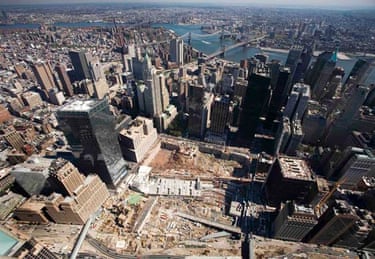
At the time, Ground Zero was not the memorial we know today. It was still an enormous, active construction site—a massive excavation cut deep into the earth, surrounded by fencing, machinery, steel and the beginnings of rebuilding.
Perhaps that was part of it.
But I think there was something deeper.
I wanted to see it.
And I didn’t want to see it.
I felt pulled toward that place and, at the same time, almost afraid of what I might feel when I stood there.
So I walked away.
For years afterward, I wondered why.
What was I afraid of?
Maybe I wasn’t ready to turn something I had experienced through a television screen into something physical.
Because as long as Ground Zero remained somewhere in New York, it was possible to keep September 11 at a distance.
I could remember the images.
I could remember the names.
I could remember the horror.
But I didn’t have to stand on the ground where it happened.
This past August, nearly 25 years after that terrible day, I returned to New York City with my two youngest sons.
We had an incredible trip. We laughed. We explored. We ate amazing food. We saw the city from above and below. We made memories.
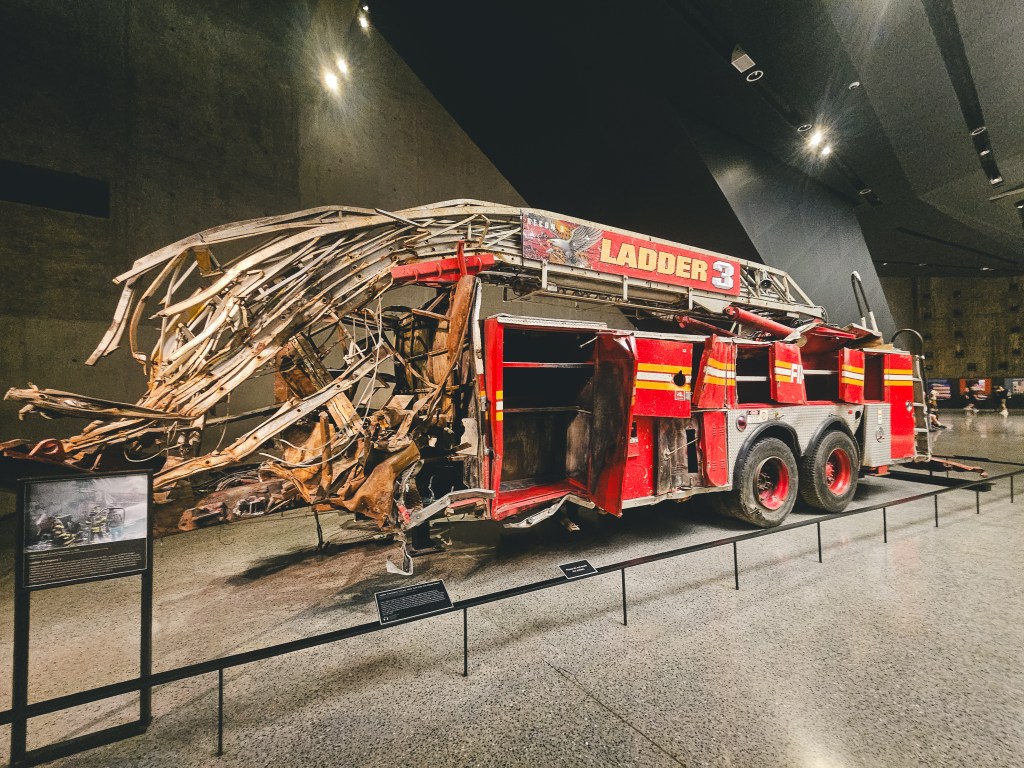
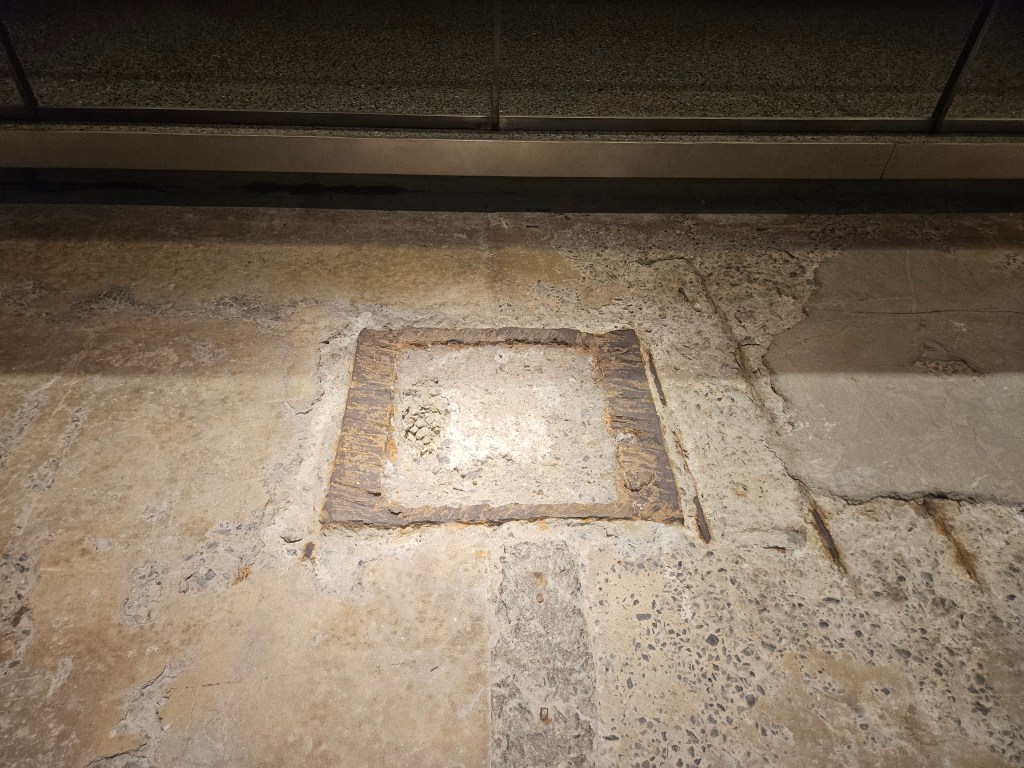
And then, on our final day, we went to the 9/11 Memorial & Museum.
This time, I walked in.
And there is something profoundly different about experiencing 9/11 when you are no longer looking at it through a television screen.
Because eventually, the realization hits you:
You are standing where they died.
Not near it.
Not somewhere that represents it.
You are standing on the footprint of the place where thousands of human beings went to work that morning and never came home.
People who had families.
People who had plans for that evening.
People who were worried about ordinary things.
People who thought they were going to have another tomorrow.
And suddenly, the enormity of what happened becomes almost impossible to hold in your mind.
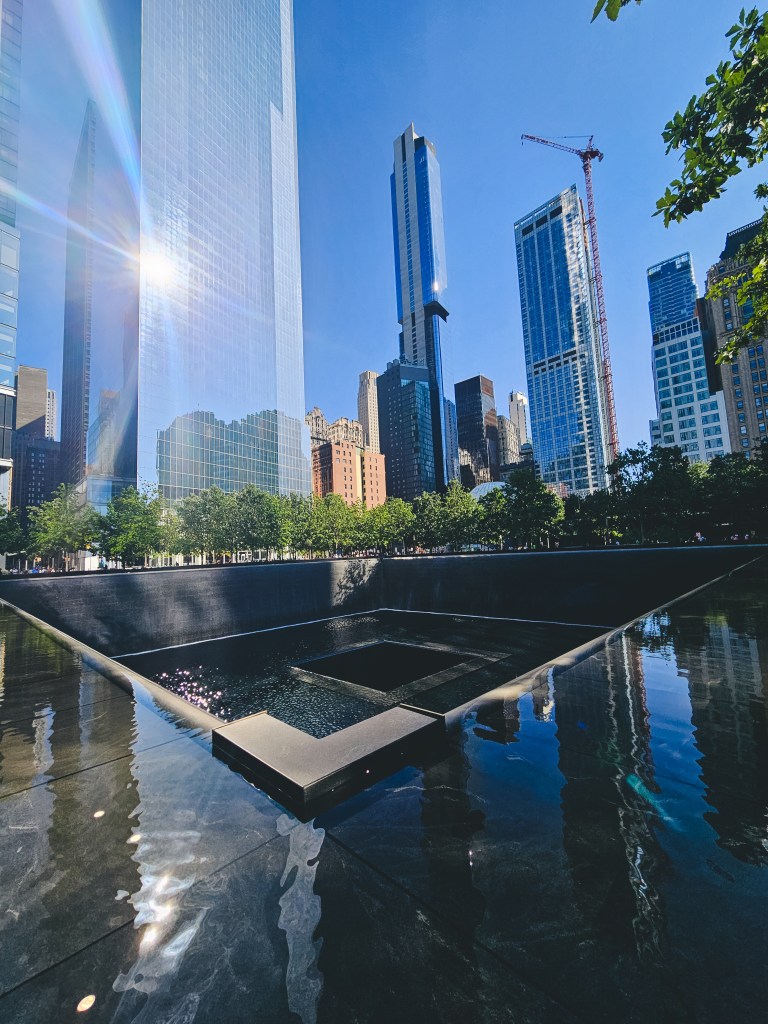
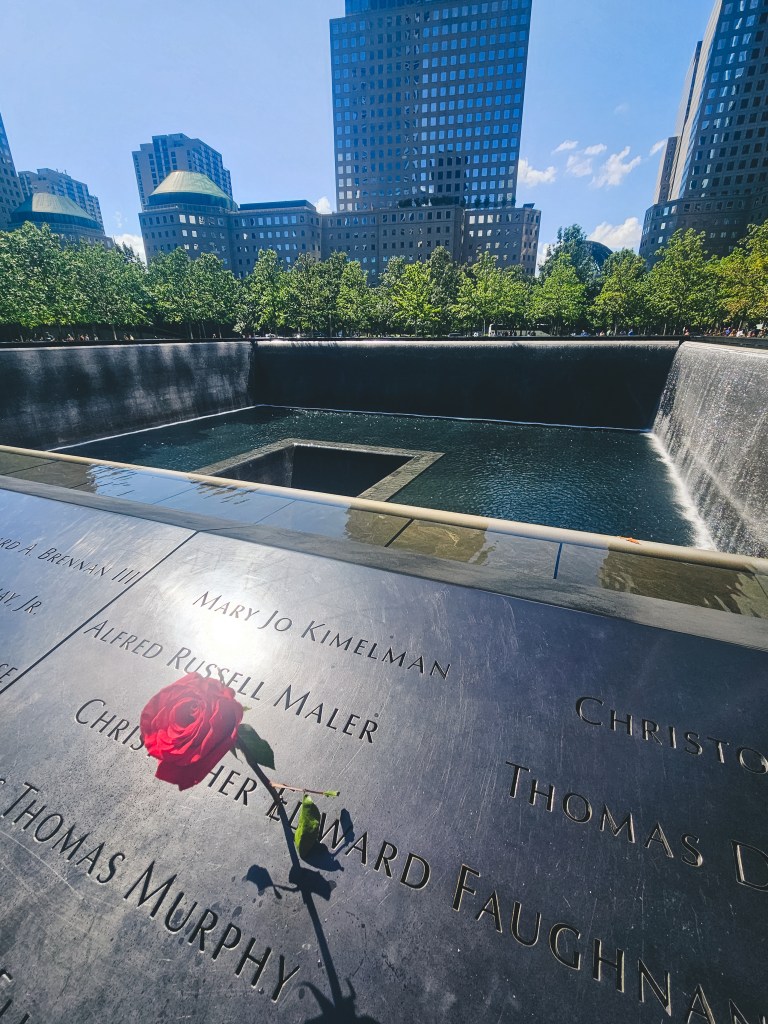
The museum is incredibly powerful, but the memorial pools affected me in a way I wasn’t expecting.
The names.
Thousands of them.
I traced some of those names with my finger.
And I prayed.
For the people whose names were beneath my hand.
For their families.
For the firefighters and police officers and paramedics who ran toward the buildings while everyone else was running away.
For the people trapped above the fires.
For the people who jumped because there was nowhere left to go.
For the passengers on those airplanes.
For the people in the Pentagon.
For the people in Shanksville.
For the children who grew up without a parent.
For the spouses who came home to an empty chair.
For the parents who never got another phone call.
And then the wind moved across the water.
The pools are enormous, and the water constantly disappears into the darkness below.
When the wind blows, the water sprays across the edges.
For a moment, standing there, it almost felt like a cleansing.
Of what, I don’t know.
Grief?
Anger?
Twenty-five years of carrying images in my head?
Maybe it was simply nature doing what nature does—moving water, moving air, continuing on.
But standing there, I felt something I couldn’t quite put into words.
Maybe it was finally being where I had needed to be all those years ago.
Maybe the part of me that had been pulled toward Ground Zero in 2008 had finally caught up with me.
And I realized something else.
There are some places you don’t visit simply to see them. You visit them to bear witness.
That is what this trip became for me.
I wasn’t there for a photograph.
I wasn’t there because it was another tourist attraction on our itinerary.
I was there because I had spent nearly 25 years carrying September 11 from a television screen inside my head.
And finally, I stood on the ground.
I stood there as a 47-year-old woman instead of the 22-year-old young woman who had watched the towers fall while planning her wedding.
So much of my life happened in between.
I got married.
I became a mother.
I watched my children grow.
I experienced joy and heartbreak and ordinary Tuesdays and birthdays and Christmases and all the little moments that make up a life.
The people whose names are carved into those memorials never got any of that.
That may be the hardest realization of all.
They didn’t get the ordinary things.
They didn’t get another birthday.
Another Christmas.
Another argument with their spouse.
Another morning coffee.
Another hug from their child.
Another chance to complain about traffic.
Another completely unremarkable Tuesday.
They simply disappeared from the future they thought they had.
And that is why I don’t think we should ever allow September 11 to become merely a date in a history textbook.
It wasn’t history to the people who died.
It wasn’t history to the people who survived.
It wasn’t history to the firefighters who climbed those stairs.
It wasn’t history to the families who waited for someone who never came home.
And it wasn’t history to the 22-year-old woman sitting in front of her television, watching in horror and trying to understand how the world she knew could suddenly become so terrifying.
Twenty-five years later, I finally stood there.
I finally touched the names.
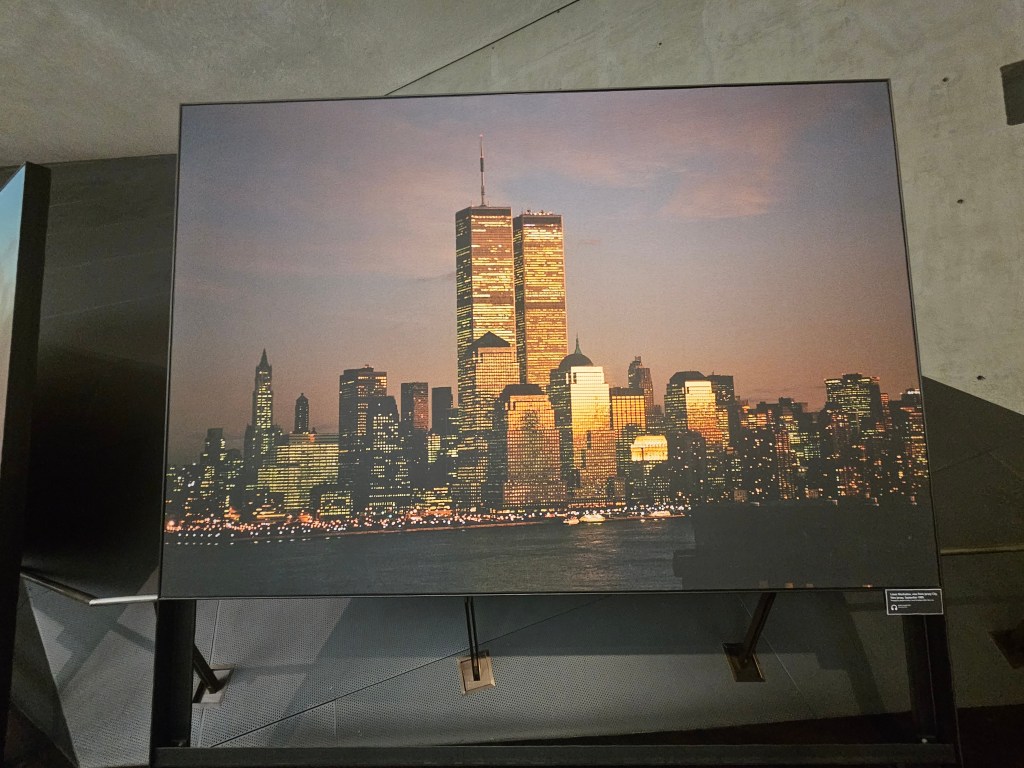
I finally looked into the place where those buildings once stood.
And I finally understood why I had been unable to go in 2008.
Sometimes grief has its own timetable.
Sometimes we aren’t ready.
And sometimes, years later, we find ourselves standing in the place we’ve spent years avoiding—and realize that we weren’t being held back.
We were waiting until we were ready to bear witness.
I am so grateful I went.
It was one of the most somber experiences of my life.
And it was absolutely worth it.
For them.
For their families.
For the people who ran toward danger.
For the survivors.
For the generations who will never know the world exactly as it was before that morning.
And for the 22-year-old woman who watched it all unfold on a television screen and never forgot.
We will never forget.
————————————————————


Leave a Reply