Let’s have a conversation that probably isn’t going to make me very popular in certain circles.
Central Wisconsin has a photography problem.
And no, I’m not talking about a lack of talented photographers. We have some genuinely incredible artists in this area. People who understand light, composition, storytelling, posing, timing, and the technical side of their craft. People who have spent years learning, practicing, investing, failing, improving, and developing an eye that simply cannot be replicated by purchasing a piece of equipment.
I’m talking about the oversaturation of the market. The seemingly endless supply of people who buy a camera, create a Facebook page, announce that they’re officially in the photography business, and immediately begin competing for the same clients.
And somewhere along the way, we’ve started confusing owning a camera with being a photographer, and being a photographer with being qualified to run a photography business.
Those are three very different things.
Let’s start with some honesty.
I’m a hobbyist photographer myself. I’ve taken photography classes, invested time in learning, and dabbled in professional photography on a limited basis. I know enough to appreciate how much I still have to learn. I also know that enjoying photography, being good at photography, and building a sustainable business around photography are three entirely different accomplishments.
I’m not going to sit here and pretend I’m the gold standard. I’m not. I have no interest in claiming that I’m better than everyone else or that my work deserves some special place in the market.
But because I have enough experience to understand that this craft involves more than pressing a shutter button, I can recognize the difference between someone who has developed a skill and someone who has simply decided to monetize a hobby.
And I think it’s time we stopped pretending those differences don’t exist.
Not everyone needs to become a professional.
Some people are incredibly talented photographers. Some are learning. Some are hobbyists who take beautiful pictures of their families, their pets, their vacations, and the world around them.
All of those things are perfectly fine.
You do not need to turn every hobby into a side hustle. You do not need to make money from every creative interest. You can love photography without trying to establish a business, build a brand, book clients, and compete with people who have made this their livelihood.
There is absolutely nothing wrong with being a hobbyist.
In fact, I think there’s something refreshing about enjoying a craft without feeling compelled to sell it.
For me, that’s exactly the point. I never wanted photography to become my career because I know what happens when something you love becomes something you’re obligated to do. Suddenly, there’s pressure to book clients, meet deadlines, keep up with trends, market yourself constantly, and produce work that other people are willing to pay for. Something that once brought you joy can quickly become another source of stress. I want photography to remain my creative outlet, something I do because I want to, not because I have to. I want to be able to pick up my camera because something catches my eye, experiment with a new technique, or spend time capturing something beautiful without wondering whether it will generate a booking or bring in a dollar.
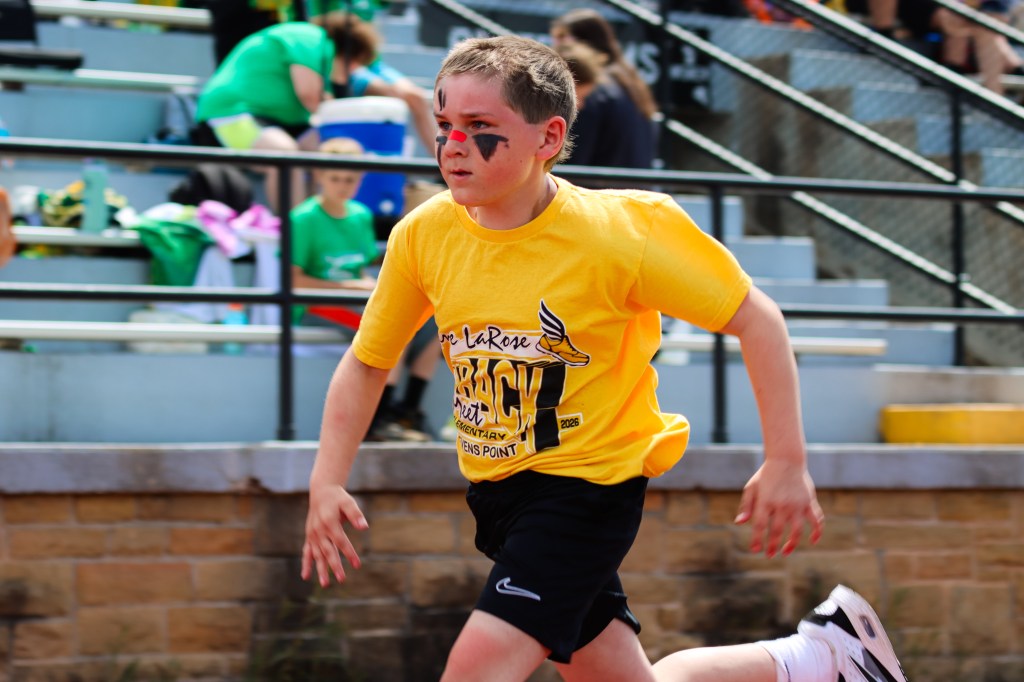
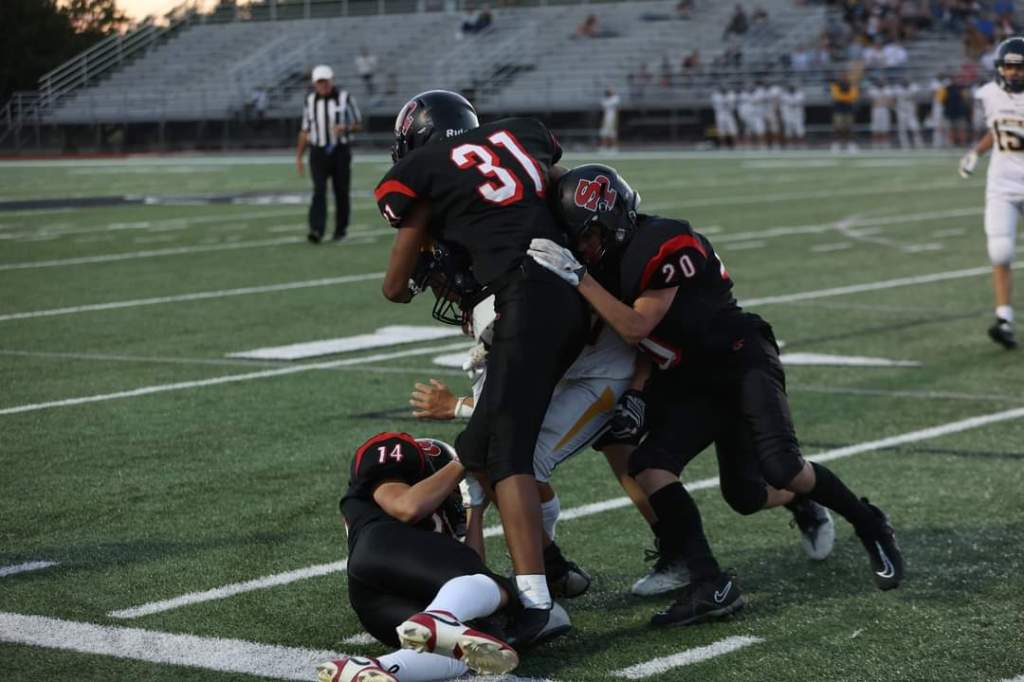
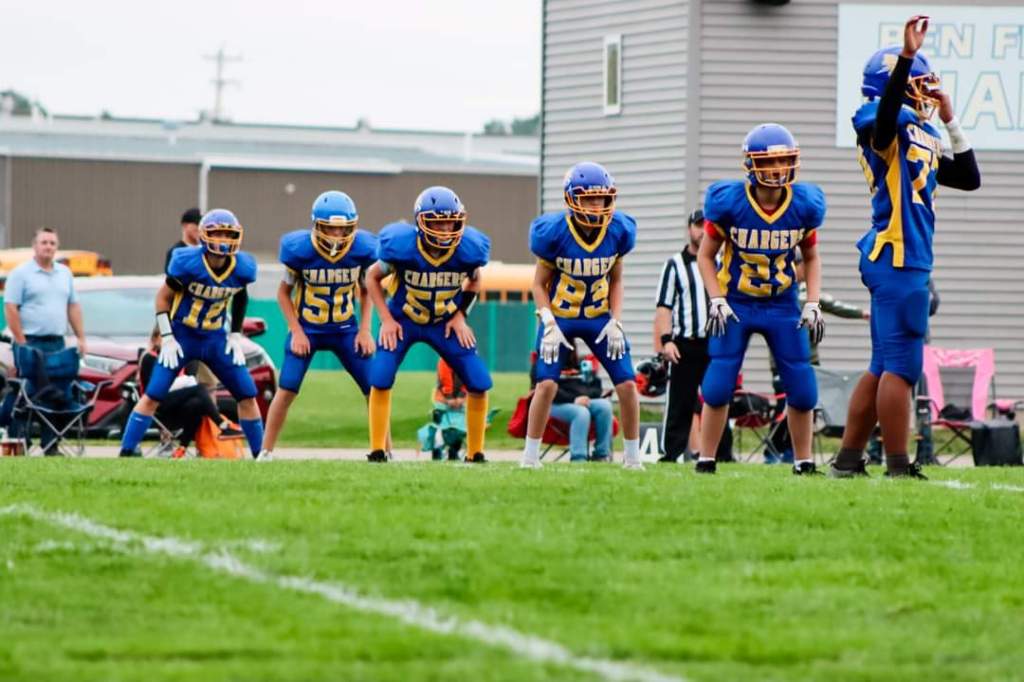
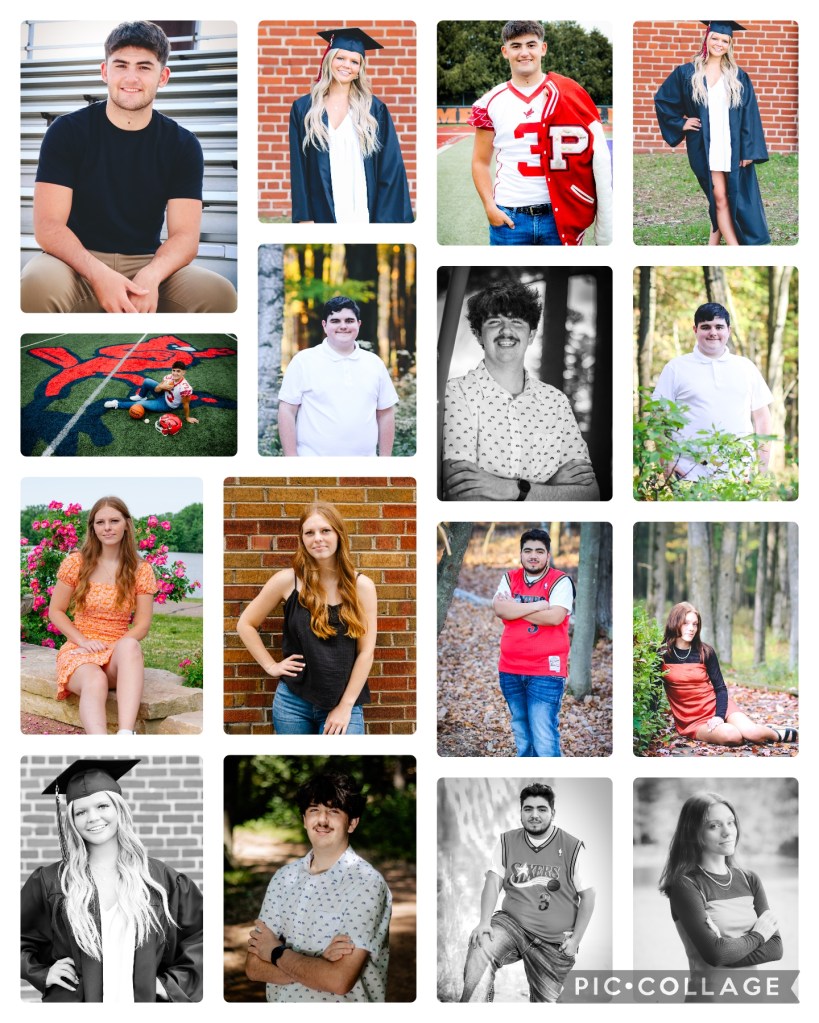
If I had to describe my personal photography “brand,” I’d call myself the volunteer photographer. As a kid, I dreamed of shooting professional sports—NFL, MLB, NBA, maybe even working for ESPN someday. Breaking into that world is incredibly difficult, but I found my own way to live a little piece of that dream by photographing local sports: junior high, high school, and youth athletics. Most of the time, I do it free of charge because I love capturing these athletes, their hard work, and the moments their families will cherish. I’ve also photographed senior portraits and weddings, but always on my terms, when it feels right for me. My clients come exclusively through word of mouth and referrals. I don’t advertise to the public, chase bookings, or actively market myself as a photography business. I take photographs because I love it, I share my talent when I choose to, and I want to keep that joy without turning it into a job. That’s my brand, and I’m perfectly happy with it.
Honestly, probably 85% of my photographs never get shared publicly. Not every photograph needs an audience, a like, a comment, or a price tag to have value. Sometimes I take a picture simply because I love the way the light hits something, because I want to preserve a moment, or because I see beauty in something other people might walk right past. Those photographs can mean something to me without ever appearing on Facebook or becoming part of a portfolio. I don’t need to turn every creative moment into content, and I don’t need public validation to enjoy what I’ve created. There’s a certain freedom in that, and I think we’ve lost a little of it in a world where everyone is encouraged to monetize every hobby, build a personal brand, and turn their interests into side hustles.
Not everything you’re good at has to become a business. Not everything you love has to make you money. And not every passion needs to be put to work. Sometimes, it’s enough to simply love doing something.
The problem begins when someone assumes that because they enjoy taking pictures, other people should automatically be willing to pay them to do it.
Enjoyment is not expertise. Enthusiasm is not experience. And a Facebook business page is not a qualification.
The race to the bottom is not a business strategy.
One of the most frustrating things about an oversaturated market is watching people attempt to compete almost exclusively on price.
Someone charges $300 for a session. Someone else offers it for $200. Another person advertises a $75 mini-session. Before long, someone is practically giving away an entire session because they believe being cheaper will help them corner the market.
Here’s the uncomfortable truth: being the cheapest photographer in town does not make you the best photographer in town. It makes you the cheapest photographer in town.
Those are not interchangeable titles.
Low prices can attract clients, but they don’t automatically create a sustainable business. Equipment costs money. Editing software costs money. Education costs money. Insurance, equipment maintenance, storage, travel, taxes, marketing, and the hours spent communicating with clients and editing galleries all cost money.
And time? Time is the one thing you cannot manufacture more of.
If you’re charging so little that you resent the time you spend on every session, you’re not building a sustainable business. You’re building yourself a job that may eventually leave you exhausted and underpaid.
There is a difference between offering an introductory rate while building a portfolio and continually undercutting everyone else because you have no other competitive advantage.
If the only reason someone should hire you is that you’re cheaper than the next person, what happens when the next person lowers their prices?
You lower yours again?
Congratulations. You’ve entered a race in which the finish line is financial burnout.
The goal should not be to make photography as inexpensive as possible. The goal should be to offer something worth paying for.
You cannot build a business by copying everyone else’s business.
Look around Central Wisconsin.
Family sessions. Senior portraits. Newborn photography. Weddings. Engagements. Couples. Maternity sessions. Fall mini-sessions. Christmas mini-sessions. Sunflower fields. Tall grass at golden hour. Kids sitting in fields. Couples standing in fields. Families walking through fields.
Apparently, we have enough fields in this area to sustain an entire industry.
And to be clear, there is nothing inherently wrong with any of these styles. Some photographers have mastered them. Some clients genuinely love them. Trends exist for a reason, and familiar settings can produce beautiful images.
But when everyone offers essentially the same thing, in the same locations, with the same poses, at similar times of year, what exactly makes one business different from the next?
A preset? A logo? A catchy business name? A slightly different font on a price list?
If your entire business model consists of replicating what appears to be working for someone else, you haven’t necessarily identified a market opportunity. You may simply be adding another nearly identical option to an already crowded market.
And here’s another uncomfortable reality: the photographer who inspired your business model may have spent a decade developing the skills, reputation, client relationships, and artistic vision that you are attempting to reproduce in a few months.
You can imitate a style. You cannot instantly duplicate the experience behind it.
A business needs an identity. It needs a point of view. It needs a reason for clients to choose you beyond your price or your availability.
What do you do differently? What do you see that other people might miss? What experience do you provide? What makes your work recognizable as yours?
If you cannot answer those questions, you may need to spend more time developing your craft and less time developing your marketing graphics.
Editing can enhance a photograph. It cannot rescue everything.
Let’s talk about editing.
Editing is a legitimate part of photography. Color grading, exposure adjustments, retouching, and creative post-processing can help a photographer bring a vision to life. There are talented artists who use extensive editing deliberately and beautifully.
This isn’t an argument against editing.
It’s an argument against confusing editing with photographic skill.
You can smooth skin, change colors, blur backgrounds, add dramatic skies, apply trendy presets, and transform an image into something that looks nothing like what came out of the camera.
But if the original image has poor composition, missed focus, unflattering light, awkward posing, or a moment that was never captured properly, editing has limitations.
Sometimes the editing becomes so heavy that the photograph stops looking like the person who was photographed. Skin looks plastic. Colors look unnatural. Faces lose their texture. Every image has the same exaggerated tone because the photographer has applied the same treatment to every situation.
A heavily edited image can be visually striking. It can also be a distraction from technical weaknesses.
The best photographers understand that editing is a tool, not a substitute for understanding light, exposure, composition, and human expression.
You should not need to perform digital miracles on every image to convince people that you can take a good photograph.
Learn to create a strong image in the first place. Your editing skills will become even more valuable when they’re enhancing good work instead of trying to compensate for preventable mistakes.
A good photograph is not the same thing as a successful business.
This is where I think the conversation gets especially important.
Even if you’re genuinely talented, talent alone will not guarantee a successful photography business.
Running a business requires far more than artistic ability. You need communication skills. Reliability. Organization. Financial literacy. Marketing. Customer service. Contracts. Scheduling. Backup systems. The ability to manage expectations. The willingness to handle difficult conversations professionally.
You need to understand what it actually costs to operate your business and whether the money you’re bringing in supports those costs.
You need to deliver what you promise, when you promise it.
You need to know how to handle a disappointed client without becoming defensive or turning social media into a courtroom.
You need to understand that clients are not simply purchasing digital files. They’re trusting you with memories, milestones, important occasions, and sometimes moments they will never get back.
A wedding cannot be rescheduled because you forgot to charge your batteries. A child’s expression cannot always be recreated because you missed the moment. A newborn will not remain a newborn while you figure out your camera settings.
Professionalism matters because the stakes matter.
And if you’re charging people for a professional service, you owe them more than good intentions and a promise that you’re still learning.
Learning is admirable. Continuing to learn is essential. But clients should not unknowingly be paying the price for a photographer’s lack of preparation.
Social media has made it easy to look established.
Today, anyone can create a business page, purchase a website template, design a logo, post a handful of edited images, and announce that they’re booking clients.
From the outside, it can look like a legitimate business.
But a polished social media presence does not tell you whether someone understands exposure. It doesn’t tell you whether they can work in difficult lighting, consistently produce a full gallery of quality images, manage a large group, handle a wedding timeline, or deliver professional results under pressure.
It doesn’t tell you whether their business is profitable, whether they have the necessary equipment backups, or whether they can maintain quality when the circumstances aren’t ideal.
Social media rewards visibility. It rewards consistency, engagement, trends, and sometimes simply being the loudest person in the room.
It does not automatically reward the most technically skilled photographer.
That creates a difficult environment for experienced photographers who are quietly doing excellent work while competing with people who are exceptionally good at marketing themselves.
Marketing matters. There’s no question about that.
But we need to stop assuming that popularity is proof of quality or that a busy booking calendar is proof of artistic excellence.
Sometimes it is. Sometimes it isn’t.
The number of followers you have does not determine the quality of your work. Neither does the number of comments under your latest mini-session announcement.
And the number of photographers advertising in Central Wisconsin does not mean there is an endless supply of clients willing to pay for their services.
Let’s give credit where credit is due.
Now, after all of that criticism, I want to talk about something equally important: recognizing the photographers who remind me why this craft is worth celebrating in the first place.
Because this isn’t about tearing down talented people. It’s about recognizing the difference between simply taking pictures and having an artistic eye, a distinctive approach, and the ability to capture something that makes another person stop and feel something.
There are photographers in our area whose work I genuinely admire. Some have been doing this for years. Their work reminds me that photography isn’t just about the camera, the equipment, the editing software, or the latest trend. It’s about what the person behind the camera sees that the rest of us might miss.
John Hartman of Contemporary Photography is one of those photographers.
John took my senior portraits 30 years ago. Think about that for a moment. Three decades later, he’s still creating, still working, and still producing images that make people stop and appreciate his talent. He’s fantastic with family portraits, headshots, and those high school sports posters that capture athletes in such a powerful way.
But my favorite work of his is his light painting photography.
There’s something about the way he uses light to transform an ordinary subject into something extraordinary that I absolutely love. His photographs of vintage cars at the Iola Car Show are wonderful examples of how a photographer can take something familiar and make you see it differently. And then there’s a recent photograph of tomatoes he shared that brought me an absurd amount of joy.
Yes, tomatoes.
Not a bride in a flowing dress. Not a perfectly posed family. Not a dramatic sunset or an exotic landscape. Tomatoes.
And that’s precisely my point.

That image reminded me that photography doesn’t always need a grand occasion or a paying client to be meaningful. Sometimes the beauty is in the ordinary, and the magic comes from the person who recognizes it. John has built a body of work that goes far beyond checking boxes on a session price list. His light painting is a reminder that photography can be creative, experimental, and genuinely joyful.
Ashley Herek Photography is another photographer whose work I deeply admire, especially when it comes to families.
Ashley has a gift for posing people in ways that feel thoughtful and natural while still bringing out their individual personalities. She knows how to arrange a family, find the right moment, and create an image that feels like more than a collection of people standing together for a photograph.
She has a way of freezing time.
As parents, we all know how quickly childhood passes. The little faces change. Personalities grow and evolve. The years we think will last forever somehow disappear in the space between school pictures, birthdays, and the next stage of life.
A great family photograph gives you a little piece of that time back.
Ashley took a photograph of my boys that I admire daily. Not occasionally. Daily. That image means something to me because it captures my children in a way I can return to over and over again. It’s a reminder of who they are, their unique personalities, and of how precious these fleeting years really are.

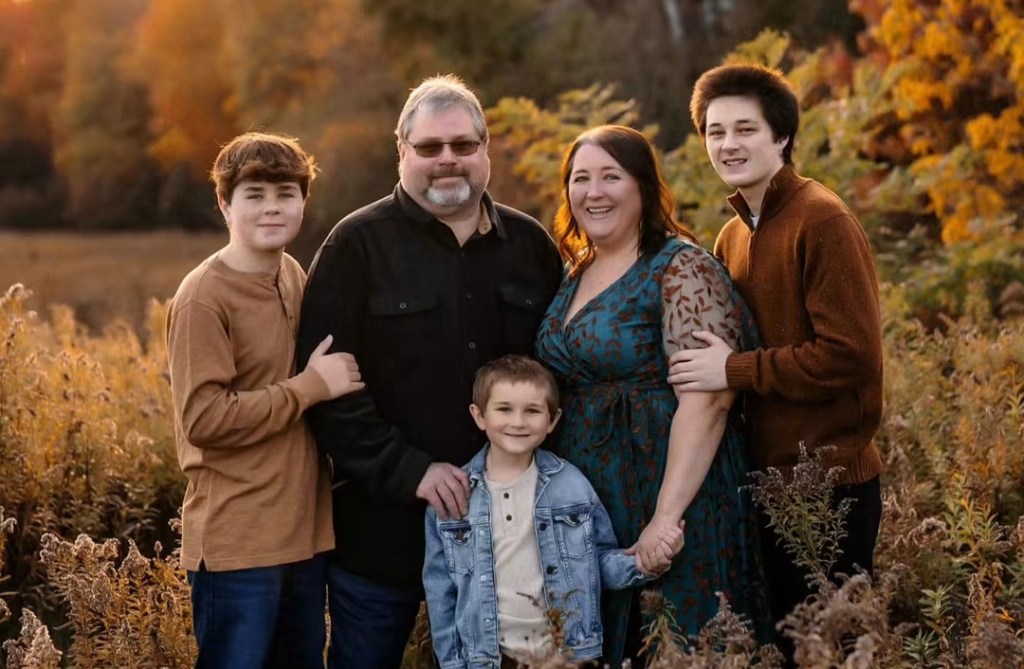
That is the kind of work that reminds me why professional photography has value. It’s not just about getting everyone to look at the camera. It’s about capturing something you will want to hold on to long after that moment has passed.
And then there’s Northbound Photography, whose specialization in Catholic wedding photography speaks directly to my heart.
As a Catholic, I have a particular appreciation for the beauty, reverence, and meaning woven into the sacrament of marriage. A Catholic wedding is not simply a pretty venue, a dress, flowers, and a celebration. It is a sacred commitment, a sacrament, a moment filled with faith, tradition, and promises made before God.
I don’t know the couple in this photograph, but I do recognize Father Matthew, standing on the far right, who served as associate pastor at my parish. The photographer captured his joyful smile so beautifully—a smile I had the pleasure of seeing every week at Mass. Seeing it in this photograph brought that familiar joy right back to me and made me smile, too. It’s a wonderful reminder that a talented photographer doesn’t just capture what someone looks like; they capture a little piece of who that person is.

The images Northbound Photography creates capture a world that means so much to me. I admire the work because it reflects more than the visual beauty of a wedding day. It honors the spiritual significance of the occasion.
That kind of specialization matters. It demonstrates an understanding of the subject, the traditions, and the moments that carry deeper meaning for the people being photographed.
These three photographers have different strengths, different approaches, and different subjects that inspire them. But they share something I think is essential: they remind me that photography can be more than a product to sell. It can be an art form, a way to preserve memories, a means of expressing faith, and a way to reveal beauty in places people might not expect to find it.
That’s what I want to celebrate.
I’m not suggesting these are the only talented photographers in Central Wisconsin. They are simply three whose work has personally resonated with me, each for different reasons. There are others doing wonderful work, too.
And praising the photographers I admire does not require me to pretend the market isn’t crowded or that every business offering photography is operating at the same level.
We can appreciate talent while still having an honest conversation about standards.
In fact, I think we should.
The market does not owe you a living.
This may be the part people dislike the most.
You can love photography. You can invest in equipment. You can take classes. You can spend hours practicing. You can create a beautiful portfolio and genuinely believe you have something special to offer.
And you can still discover that there isn’t enough demand for your particular service, at your particular price, in your particular market, to support the business you want to build.
That does not necessarily mean you’re a bad photographer.
It means that running a business requires a market, not just a passion.
Central Wisconsin is not an unlimited pool of clients. Families have budgets. Seniors and their parents have choices. Couples planning weddings have competing expenses. Businesses have marketing budgets. And clients who value professional photography still have to decide where to spend their money.
There is a limit to how many sessions a local market can support, especially when dozens of businesses are pursuing similar clients with similar offerings.
Before opening a photography business, it is worth asking some hard questions.
Is there an actual demand for what I want to offer? Is the market underserved in a way I can address? Am I offering something distinctive? Can I price my work sustainably? Do I understand the financial realities? Am I prepared to compete on quality, service, experience, and trust rather than simply lowering my prices?
Those questions aren’t intended to discourage anyone.
They’re intended to prevent people from mistaking the excitement of starting a business for evidence that a viable business exists.
You are allowed to pursue your passion. You are allowed to take a chance on yourself. You are allowed to start small and learn as you go.
But the market does not owe you clients, and other photographers do not owe you room to grow.
You have to earn your place.
There is room for different levels of photography. There isn’t a guarantee of room for every business.
I want to make something clear: this isn’t about gatekeeping.
Nobody needs permission from an established photographer to pick up a camera. Nobody needs a particular pedigree to create beautiful images. Photography is an art, and people enter it through all kinds of paths.
Some learn through formal education. Some are self-taught. Some work under mentors. Some develop their skills over years of experimentation. There is no single path that guarantees success, and no certificate automatically makes someone talented.
There is room for professionals, part-time photographers, hobbyists, and people who simply love capturing the world around them.
But there is a difference between having a place in the photography community and being entitled to a profitable business within it.
Not every hobby needs to become an income stream. Not every person who takes beautiful photographs needs to offer paid sessions. And not every new business will survive simply because its owner is passionate.
Those truths can coexist with encouragement, mentorship, and respect for people who are learning.
In fact, acknowledging them is a form of respect. It treats photography as a real craft and business rather than something anyone can master simply by buying the right equipment.
So, what is the point of all this?
I’m not suggesting that new photographers should give up. I’m not suggesting that hobbyists should stop experimenting or that established photographers should have exclusive ownership of a particular style or location.
I’m suggesting that we raise the standard of the conversation.
If you want to become a professional photographer, invest in your education. Learn how light works. Learn composition. Understand your equipment. Practice until you can produce consistent results. Study the work of photographers you admire without simply copying them. Develop your own artistic voice.
Learn how to run a business before assuming that bookings equal success.
Understand your costs before setting prices. Build a portfolio that reflects the work you can consistently deliver. Be honest about your experience. Know your limitations, and recognize when a job requires skills you haven’t yet developed.
And, for the love of all things photographic, stop assuming that the solution to a crowded market is to charge less than everyone else.
Give clients a reason to choose you.
Make work that reflects your vision. Provide an experience that makes people feel valued. Be dependable. Be professional. Keep learning long after the novelty of buying a new camera wears off.
And if photography is something you enjoy but don’t want to turn into a business? Enjoy it. Truly.
You don’t have to monetize every talent or hobby to justify having it.
The brutally honest bottom line
Just because you have a camera does not mean you’re going to make a career out of photography.
Just because your friends love your pictures doesn’t mean strangers will pay your prices.
Just because you can edit an image doesn’t mean you understand photography.
Just because someone else is successful doesn’t mean copying their business model will make you successful.
Just because you can offer a cheaper session doesn’t mean you’ve created a competitive advantage.
And just because you can start a photography business doesn’t mean starting one is necessarily a good business decision.
There are genuinely gifted photographers in Central Wisconsin who deserve recognition for the work they’ve put into their craft. There are hobbyists who understand their place, respect the process, and enjoy photography without pretending to be something they’re not. There are emerging photographers who have the potential to become excellent at what they do.
And then there are people who see a crowded market, buy a camera, imitate what’s trending, slash their prices, apply a heavy preset, and expect the clients to come rolling in.
Those approaches are not equal simply because they all involve a camera.
Photography is an art. It is a skill. It is a service. And when you attempt to make a living from it, it is a business.
Treat it accordingly.
Central Wisconsin does not necessarily need more people advertising photography sessions. It needs photographers who understand what they’re offering, why it matters, what it costs, and what makes their work worth choosing.
If that sounds harsh, perhaps it’s because we’ve become so accustomed to telling everyone to follow their dreams that we’ve forgotten to talk honestly about what those dreams require.
Follow your passion. Invest in your craft. Build something distinctive. Learn the business.
But please understand one thing before you decide to make photography your career:
The camera is the easy part. Becoming the photographer people have a reason to hire is the work.
And if you simply want to take pictures because it brings you joy? That’s enough, too. You don’t need to turn your camera into a business to prove that you love photography. Sometimes the greatest reward is creating something beautiful that nobody else ever sees.
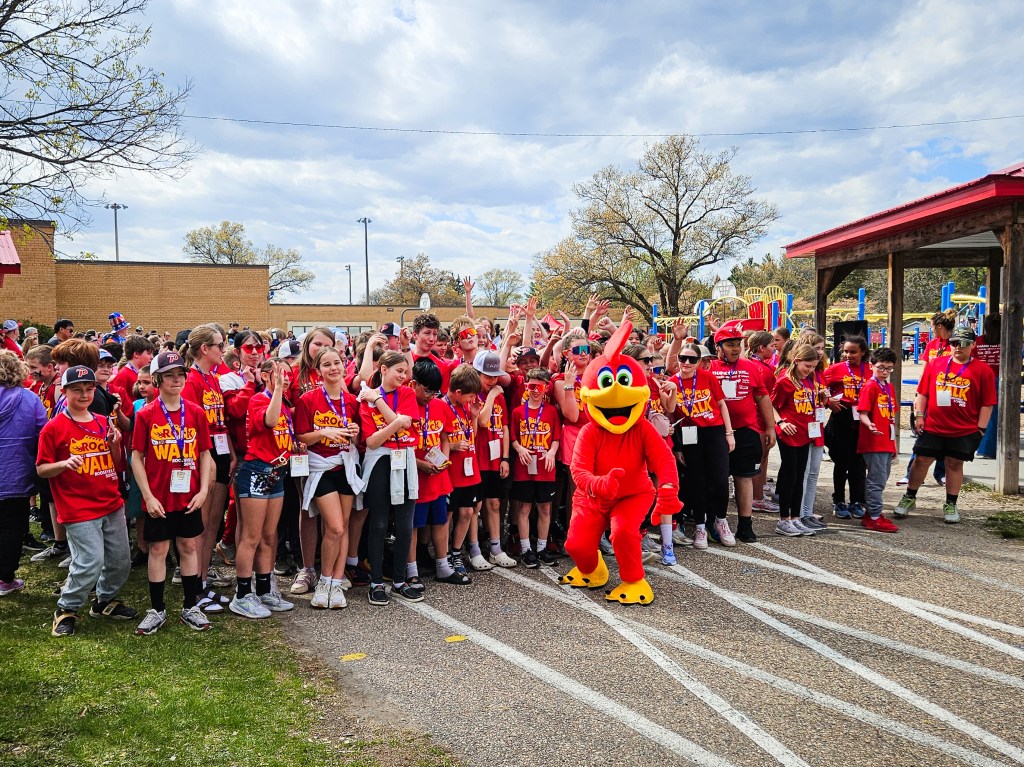
And lastly, just a few examples of my photography that brings me joy:




Leave a Reply